
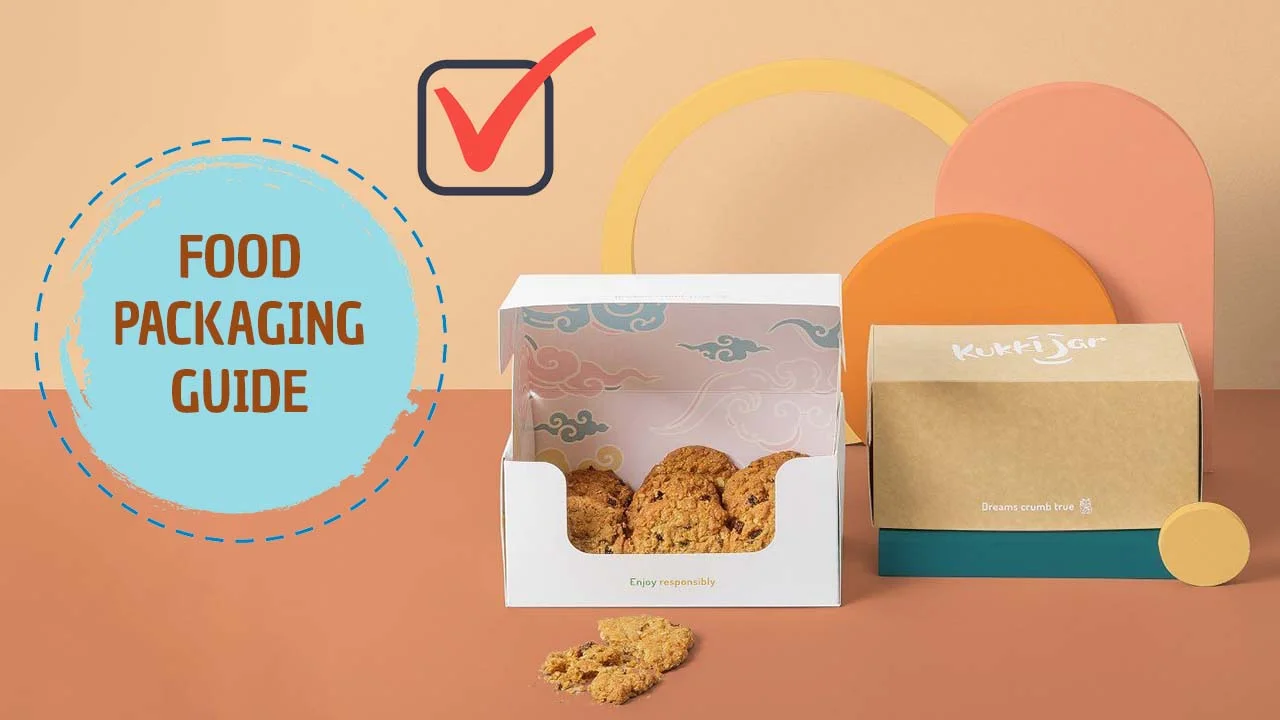
Food brands try hard to attract foodie customers and enhance their experience. One of the best ways is to use food packaging to not only make your food contents highly presentable but also preserve their freshness and protect them from contamination.
These packaging boxes improve your food brand and improve the experience of the foodie customers. Whether you run a bakery, restaurant, snack company, or food truck, selecting the right food packaging is important. Why? It directly impacts the quality of the packed food items, customer experience, and brand growth.
Want to know all the important details? This complete guide explains everything, such as types, regulations, and much more. Let’s dive in and explore everything:
What Is Food Packaging?
Food packaging is a food-safe container that is used to pack, protect, and transport food products. You can use these packaging boxes for a huge range of food items, from baked goods to frozen food.
Why Food Packaging Is Important?
The right packaging attracts the attention of the food lovers and creates a delightful appeal of the packed food contents. You can use these boxes to reflect the unique identity of your food brand at every stage.
Want to know more about the benefits for the food brands and businesses? Have a look at some of the most popular benefits:
- Communicate all the important details to the discerning customers about the ingredients, calories, FDA guidelines, and more.
- Preserve the freshness of the packed contents for longer periods. You can use vacuum sealing, barrier films, and insulation.
- Improve the convenience of the customers throughout the whole takeout or delivery process.
- Help businesses meet industry safety regulations and hygiene standards.
- Delight the food lovers with the help of a unique unboxing experience and make them share it on social media.
What Are The Major Types Of Food Packaging?
People usually ask how to choose food packaging. It depends on the product type. Every product is different. So are their packaging needs. Therefore, this guide helps you know all the important types of food packaging for small businesses and established brands to meet the product and brand needs properly.
Primary Packaging
The primary packaging is the medium that directly touches the food product. If you don’t know about it, here are some of the most popular examples.
- Snack pouches
- Candy wrappers
- Food trays
- Beverage bottles
- Vacuum bags
Secondary Packaging
Secondary packaging is the perfect way to group multiple products to ensure cohesive branding and safe shipping. They become a barrier to the primary packaging. The best known examples are as follows:
- Cartons
- Boxes
- Trays
Tertiary Packaging
Tertiary packaging offers a unique way that is used for bulk transportation and warehousing. Here is a list of some of the most prominent examples:
- Shipping cartons
- Pallets
- Stretch wrap
- Bulk containers
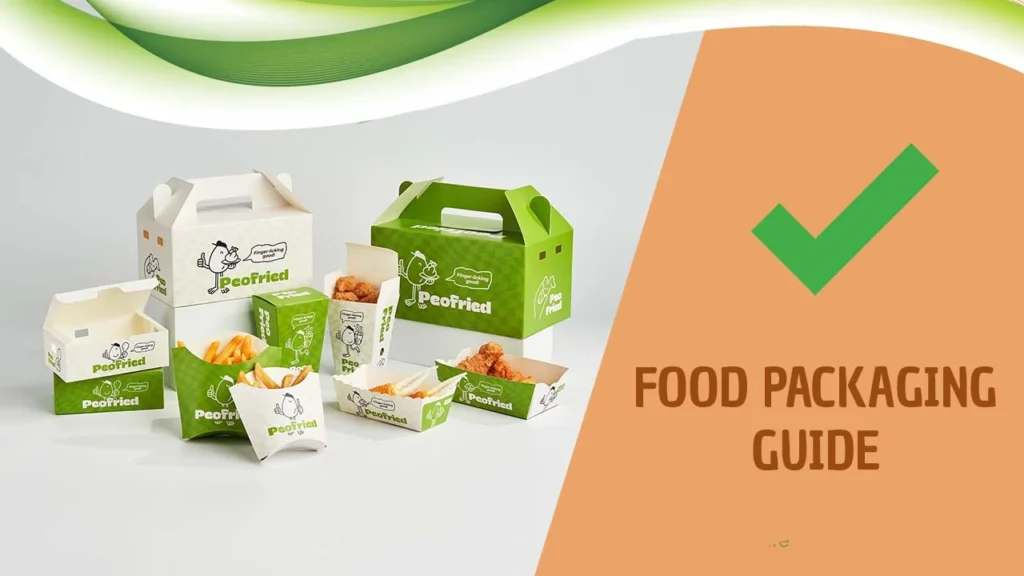
Food Packaging Guide: Everything Businesses Need To Know
This table lets you know all the important aspects of the food boxes.
| Packaging Type | Material | Best For | Benefits |
| Bakery Boxes | Kraft, cardboard | Cakes, cookies | Freshness, branding |
| Fast Food Packaging | Greaseproof paper | Burgers, fries | Heat retention |
| Flexible Packaging | Mylar, plastic | Snacks, coffee | Lightweight |
| Glass Packaging | Glass | Sauces, drinks | Premium look |
| Metal Packaging | Aluminium, steel | Canned foods | Long shelf life |
| Plastic Packaging | PET, PP | Frozen foods | Durable |
| Paper Packaging | Kraft paper | Dry foods | Eco-friendly |
| Vacuum Packaging | Plastic films | Meat, cheese | Extends freshness |
| Frozen Food Packaging | Laminated films | Frozen meals | Moisture protection |
| Beverage Packaging | Glass, PET | Juices, soda | Leak resistant |
| Compostable Packaging | Plant fibres | Organic foods | Biodegradable |
| Shipping Boxes | Corrugated board | Food delivery | Strong protection |
| Window Boxes | Cardboard | Bakery items | Product visibility |
| Rigid Packaging | Rigid board | Luxury foods | Premium feel |
| Takeaway Containers | Kraft, bagasse | Restaurant food | Portable |
What Are The Common Materials Available For Food Packaging?
The market is flooded with a lot of material options. And each material option has unique benefits and applications. Want to know more in detail? Check out some of the best packaging materials for food:
Paper & Cardboard
Paper-based packaging is widely used in various industries. The main reason for it popularity is its lightweight, cost-effective nature, and sustainability. You can use this material for various products, from fast food to retail products.
Clear Plastic
Plastic remains one of the most common materials for these boxes. Because of its flexible and durable nature, it remains a popular option in the packaging industry. Here are some of the common applications, such as containers, pouches, and food bags.
Glass Packaging
Glass packaging is often used for food products that need extra preservation. It keeps the flavor, quality, and other qualities of the packed contents for a longer period of time. You can use this material for sauces, jams, pickles, and beverages.
Metal Packaging
Metal packaging is the perfect medium to offer maximum protection to the packed contents and extend their shelf life. You can use this material for a lot of food products, such as canned foods, coffee tins, beverage cans, and much more.
Major Industries That Use Food Packaging
There are a lot of food brands and businesses that use these boxes to fulfill all their product and brand needs. Have a look at some different food industries that require food-safe packaging solutions:
Fast Food Boxes
Fast food boxes are perfectly designed to keep your fast food contents safe, hygienic, and protected from environmental factors. These boxes allow you to put your brand name in the hands of the customers. Fast food packaging for delivery keeps your fast food products highly presentable throughout the whole journey.
Mushroom Boxes
Custom mushroom boxes become a unique medium to reflect the organic nature of your food items and make them highly presentable. They promote your brand to the next level across every customer touchpoint. You can use these boxes to protect the packed contents from potential harm.
Beverage Boxes
Custom beverage boxes are the perfect medium to attract the foodie customers on the display shelves. They become the mirror of your beverage brand throughout the whole journey. You can use these boxes to keep the packed bottles safe from leakage and breakage.
Frozen Food Boxes
Frozen food boxes are amazingly designed to attract the attention of foodie customers on the freezers’ shelves. These boxes mirror the identity of your brand throughout the whole journey. These boxes become a protective home for the packed frozen food items from all the external elements.
Bakery Packaging
Custom bakery packaging is the perfect way to preserve the freshness of the baked good during takeout or delivery. These boxes become the chapter of your brand throughout the whole journey. They become a safe home for the baked goods at every stage.
Sustainable Food Packaging Trends
Sustainability has become one of the biggest trends in the packaging industry. Therefore, consumers increasingly prefer eco friendly food packaging to reduce carbon footprint and make the planet green. Check out some of the most popular types of packaging:
- Biodegradable Packaging
- Recyclable Packaging
- Compostable Packaging
- Minimalist Packaging
Food Packaging Design Tips
The right food packaging for products is important. But for the right packaging, you need to know effective tips to design it. Have a look at some of the most essential design tips you are looking for:
- Priorities Clarity: Customers should immediately understand. Please ensure to avoid cluttered designs.
- Use Professional Printing: Premium printing improves shelf appeal and brand perception.
- Focus on Convenience: Consumers value packaging that is easy to. And Convenience often influences repeat purchases.
- Functional Structures: The structure should match the product’s needs.
What Are The Food Packaging Regulations & Safety?
Food packaging must comply with safety regulations in the UK to protect consumers. Below are some of the important aspects:
- Food-Grade Materials
- Proper Labelling
- Tamper-Evident Features
- QR Code
- Temperature-Sensitive Seals
How To Choose The Right Food Packaging For Your Product?
Selecting the best packaging depends on several important factors. Don’t know what they are? There is no need to worry at all. Take a look at some of the most important aspects:
- Understand Your Product Needs
- Consider Your Target Audience
- Evaluate Shipping Requirements
- Balance Cost and Quality
What Are The Common Food Packaging Mistakes To Avoid?
Many businesses lose customers due to poor packaging choices. Check out some of the most common mistakes:
- Ignoring Sustainability
- Choosing the Wrong Material
- Poor Branding
- Overcomplicated Designs
Where To Get The Food Packaging?
Tycoon Packaging manufactures each type of custom food packaging UK to pack the little creations through never-ending customisation options with die-cutting and printing techniques. We utilise food-safe materials, unique layouts, CMYK printing, and magnificent finishes for cohesive branding.
We create any kind of box, from small to large, with complete precision at competitive rates. We sweeten our packaging deal with our additional perks. So, what are you waiting for? Feel free to reach out to us and order wholesale food boxes.
Conclusion
Food packaging the perfect way to enhance the freshness and safety of the packed contents. It also enhances branding and customer experience. From bakery to fast food brands, every brand wants to choose the right packaging to meet its needs.
This guide helps you know the right materials, designs, and packaging structures that food brands use to enhance customer satisfaction and ensure business success.
FAQs
Q: What is the best material for food packaging?
The best food packaging material depends on the product type, shelf life, storage conditions, and branding goals. Common options include cardboard, plastic, glass, metal, and flexible packaging.
Q: Why is sustainable food packaging important?
Sustainable food packaging reduces environmental impact, improves brand reputation, and meets growing consumer demand for eco-friendly products.
Q: What is food-grade packaging?
Food-grade packaging refers to materials that are safe for direct contact with food and comply with industry safety regulations.
Q: How does packaging extend food shelf life?
Packaging protects food from moisture, oxygen, bacteria, light, and contamination, helping products stay fresh for longer periods.
Q: What are the benefits of custom food packaging?
Custom food packaging improves branding, product protection, customer experience, shelf appeal, and marketing opportunities while helping businesses stand out from competitors.