
Packaging is the first medium that interacts with. Whether you want to pack M&Ms or the bottle, the things we put things in are important. Therefore, product packaging design must be appealing and unique. But how to design packaging that not only looks unique but also represents your brand?
Worry not! This guide helps you know and completely understand the product packaging design in the easiest way.
What Is Product Packaging Design?
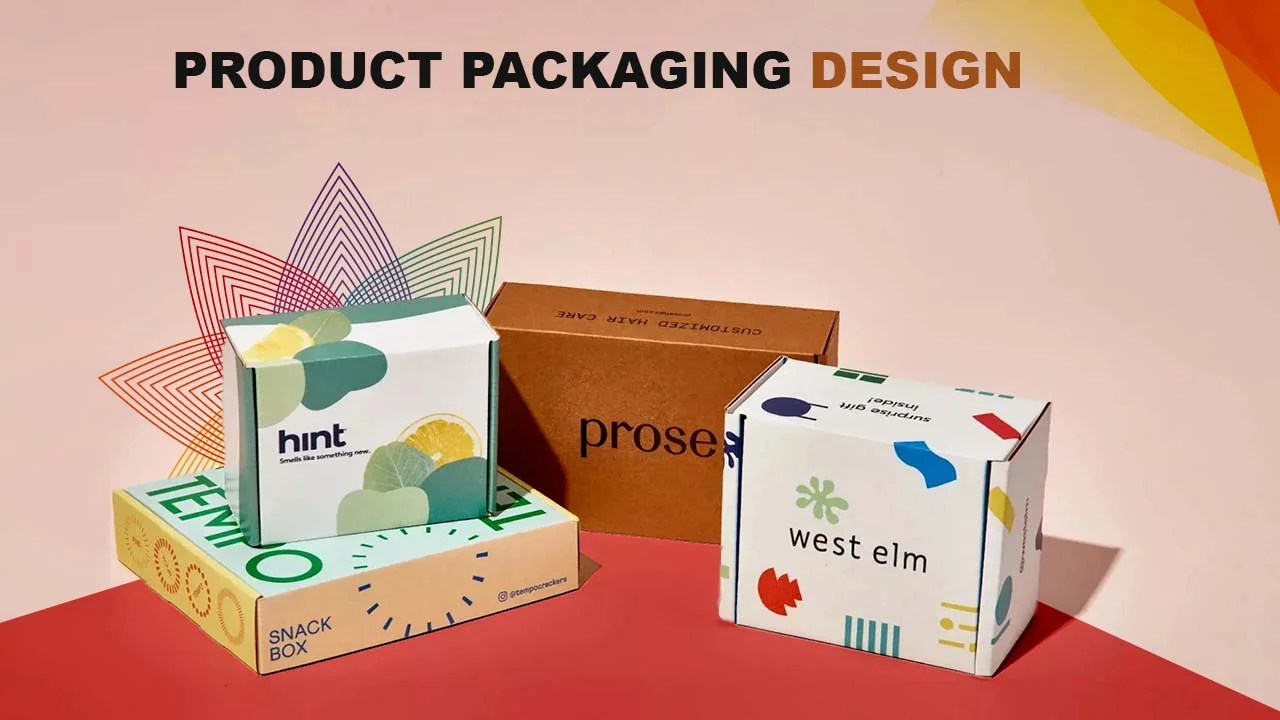
Product packaging design is the creation of the exterior medium of the product. It consists of many things, from the material to the graphics printed on the packaging. The details of the packaging design help onlookers to understand what the product is for, how to use it, who should use it, and other vital details.
Things You Need To Know Before You Start Your Packaging Design
There are some of the most important questions that everyone must know before designing the product packaging. Have a look at them:
What Is The Product?
This is the most fundamental step in product packaging design. You need to clearly understand your product type, size, shape, weight, ingredients, and its overall nature (fragile, perishable, liquid, etc.). These details directly determine the right materials, structure, and protective features for your packaging.
Who’s Buying The Product?
A product’s packaging should be appealing to discerning customers. It’s important to understand the target audience, their gender, demographics, their beliefs, and income.
How Are People Buying The Product?
Will the potential customers buy it in a supermarket? A small boutique? Online? You need to think about packaging differently if the product is sold online than if it’s going to be sold on the shelf.
What Information Do You Need To Collect?
Designing the packaging is as important as deciding the product to be sold. Therefore, knowing the most important aspect of designing the packaging is essential. Have a look at some of the important aspects:
Brand Requirements
Branding is everything. Packaging must represent the identity of your brand. Therefore, gather the following information for your logo design package:
- Colours Type
- Fonts Family
- Brand Logo
- Vibrant Imagery
- Marketing Materials
- Much More
Packaging Budget
Packaging design budgets break down into two categories:
One-time costs
It includes design work, a stamp, and print plate setup. You pay for this upfront, and usually only once.
Per-item costs
It is generally for materials and labour. Each box will cost a certain amount. And you either have to pay someone to put your product into the box or do it yourself.
Have A Look At Some Of The Packaging Design Ideas
Have a look at some of the most popular packaging design ideas at a glance:
| Packaging Design Idea | Key Benefit |
| Bespoke Packaging Design | Strong brand identity and memorable unboxing experience |
| Innovative Packaging Design | Market differentiation and viral sharing potential |
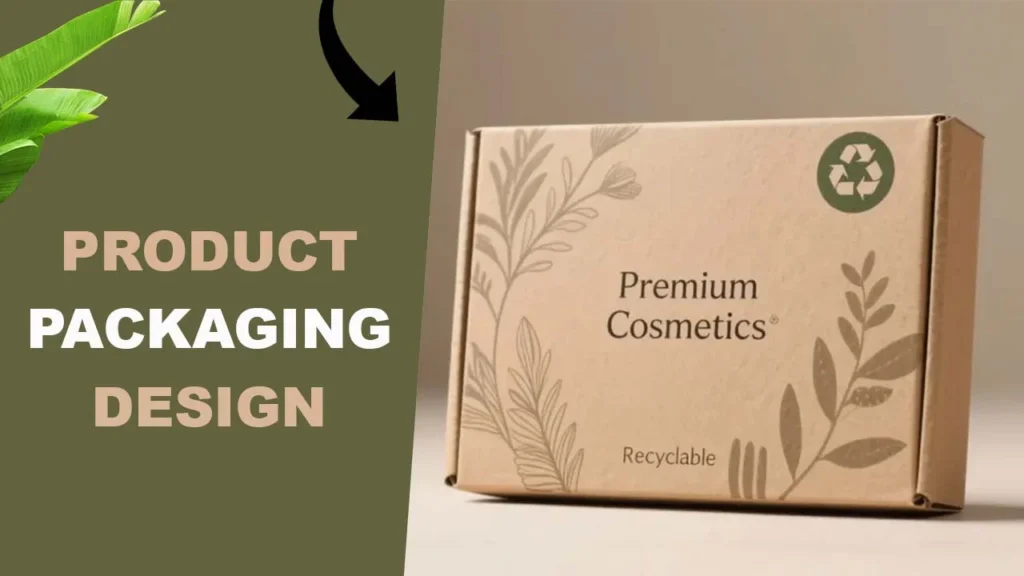
| Sustainable Packaging Design | Eco-friendly appeal + growing consumer preference |
| Effective Packaging Design | Product Protection |
| Luxury Packaging Design | Premium feel that justifies higher pricing |
| Minimalist Packaging Design | Clean, modern look that stands out in crowded shelves |
| Interactive Packaging Design | Higher customer engagement and social media shares |
| Smart Packaging Design | Enhanced functionality (QR codes, NFC, freshness indicators) |
| Window Packaging Design | Better product visibility and reduced returns |
| Seasonal Packaging Design | Strong promotional impact and urgency |
If you don’t have any idea, packaging companies also offer packaging design inspiration to make sure about the design.
The Easiest Way To Know The Packaging Design Process
Here are some of the most important steps to design the packaging that aligns with your product and brand needs. Have a look at some of the most essential steps:
Understand Packaging Layers
There are three “layers” of product packaging:
Outer Packaging
This is the first layer a customer or logistics team sees. It acts as the main shield against external damage during transportation, warehousing, and handling.
Key Functions:
- Protects against impact, moisture, dust, and tampering
- Often includes shipping labels, barcodes, and handling instructions
- Can be designed as a branded unboxing experience (especially for e-commerce)
Common Examples:
- Corrugated cardboard shipping boxes
- Mailer boxes with custom printing
- Shrink wrap or stretch film for pallet shipments
Inner Packaging
This layer sits between the outer shipping container and the actual product packaging. Its main job is to absorb shocks and prevent movement during transit.
Key Functions:
- Cushions and immobilizes the product
- Prevents scratches, breakage, or leakage
- Enhances the unboxing experience
Popular Materials:
- Recycled packing peanuts (biodegradable versions now common)
- Bubble wrap or air pillows
- Custom foam inserts
- Tissue paper, kraft paper, or branded filler
- Molded pulp trays
Pro Tip: Smart brands use this layer to reinforce brand storytelling — think colored tissue with logo prints or thank-you cards nestled inside.
Product Packaging (Consumer-Facing / Primary Layer)
This is what most people visualize when they think of product packaging design — the box, bottle, jar, pouch, or container that holds the product itself.
Key Functions:
- Communicates brand values and product benefits at a glance
- Provides essential information (ingredients, usage, warnings)
- Builds emotional connection and drives purchase decisions
- Often becomes part of the product’s perceived value
Examples by Industry:
- Luxury skincare: Elegant rigid boxes with magnetic closures and gold foil stamping
- Electronics: Sleek minimal boxes with precise die-cuts
- Food & Beverage: Window boxes, resealable pouches, or premium glass jars
- Fashion: Dust bags + branded tissue + sturdy gift boxes
Choose The Right Type Of Packaging
There are many different types of packaging available for your product. Choose the packaging that meets your needs. Consider some of the factors that help you select the right packaging:
- The product: Everything always comes back to the product!
- The competition: What do competitors do? How does your brand stand out from others?
- The budget: You may have a brilliant idea. But if your budget is low. It is probably not going to be possible.
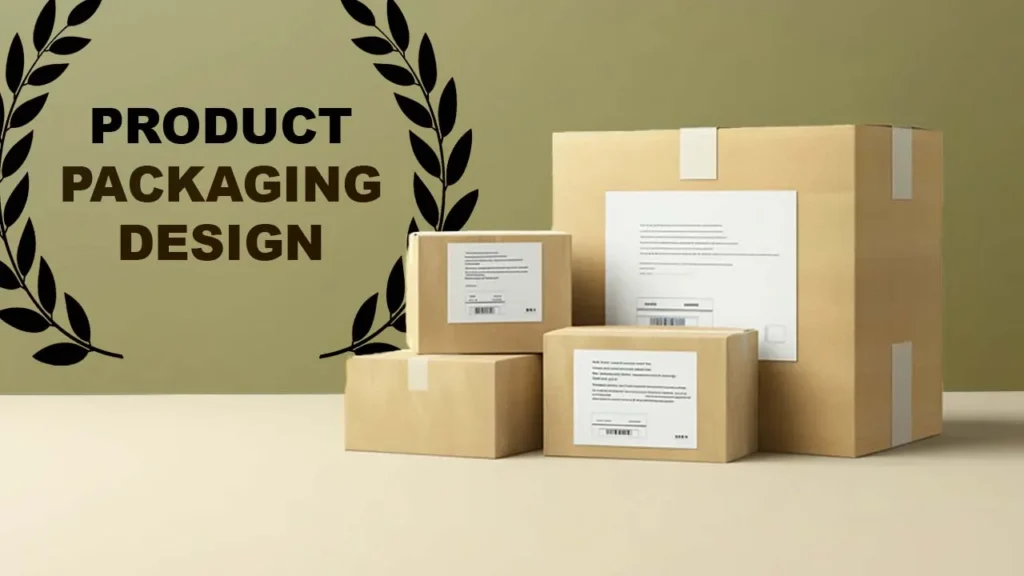
Know The Packaging Type
There are various types of packaging according to the needs of the product and the brand. Have a look at some of the options:
Tuck End Boxes
Tuck end boxes feature flaps on one or both ends that tuck into the body of the box to secure the package.
Rigid Boxes
Custom rigid boxes are premium containers made from non-bendable rigid stocks to give a premium look and feel.
Mailer Boxes
Custom mailer boxes are the self-locking containers used to ship products directly to customers’ doorsteps while amplifying the unboxing experience.
Line Up Your Printer
Printing is not going to happen until the design is complete. But you should think about it before you get to that stage! A packaging company may also give you specific information that can help you prepare the right files. A couple of things you’ll want to ask about:
- Dielines
- File-Format Requirements
- Colour Options
- Printing Type
Evaluate A Packaging Design
You have got some great design ideas! Now it’s time to give some feedback. Here are a few things to think about the design of product packaging:
- Is it clear what your product is?
- Is the packaging an honest representation of your product?
- What will this package look like in 3D?
- What will this package look like in a shop?
- How much of the packaging will be visible?
- Is this design versatile?
- Is your packaging reusable?
Collect The Feedback
Before finalising the packaging design, make sure to take a comprehensive approach. Look at the most recent packaging design trends to get valuable insights for creating a design that resonates with target audience and potential customers. People notice things you never did. Consider asking them:
- What does this product do?
- Who is supposed to buy this product?
- What is the one key message you get when you look at this packaging?
Their answers to these questions will help you determine if the packaging is communicating what you want it to. If it’s not, go back to the drawing board and figure out what you can change.
Get The Right Files
Once you have decided on the packaging design. High five! Now go back to that information you got from your printer. Check to have the right files. You probably need:
- Packaging Dielines In Vector Format.
- Colour Codes.
What Are The Common Mistakes To Avoid While Designing The Packaging?
Even creative packaging can fail if basic principles are ignored. Therefore, check out some of the most common design mistakes:
- Overcrowded graphics and excessive text
- Poor readability of product information
- Weak structural durability
- Ignoring sustainability expectations
- Designing without retail shelf testing
Avoiding these potential pitfalls is a way to ensure that packaging achieves both the visual appeal and the functionality that consumers expect.
Where To Buy Custom Packaging?
Tycoon Packaging specialises in manufacturing custom printed packaging as per your unique needs through customisable packaging solutions. We use top-grade materials, custom layouts, vibrant printing, and remarkable finishes for these cards to meet your brand’s needs.
Are you worried about box quality? We construct the packaging according to your needs with complete precision. Want wholesale rates? Fret not! We support businesses of all sizes to meet your budget needs and requirements.
So, what are you waiting for? You are just a single click away. Feel free to contact us and discuss it further.
Final thoughts
If you’re here, then it can only mean one thing – your brain is exploding with information. The packaging design is a lot more than a simple plastic bag or cardboard box. It’s a powerful marketing channel that can give your brand a professional image.
Packaging that is designed using the above information can help your brand stay on top of its game.
FREQUENTLY ASKED QUESTIONS
What makes packaging design creative?
Include unique visuals, custom layouts, and strong elements to attract customers and enhance brand appeal.
How does packaging design impact product sales?
Premium packaging enhances product visibility, builds brand trust, and influences purchases decisions.
What materials are best for custom packaging?
Choose corrugated cardboard, kraft paperboard, rigid boxes, and recyclable cardstock, depending on product weight and branding goals.
Is sustainable packaging more expensive?
While some eco-friendly materials may have higher upfront costs, they often deliver long-term benefits like improved brand loyalty, regulatory compliance, and reduced environmental impact.
How can small businesses create creative packaging on a budget?
Small businesses can use standard box styles with custom printing, minimalist designs, digital printing for low quantities, and structural efficiency to achieve creativity affordably.